Specializing in complex projects, we deliver expert mammalian cell line development for advanced therapeutics, disease models, synthetic biology, and more
From large DNA insertions to precise point mutations, targeted gene knockouts, and multi-edit strategies, ASC enables sophisticated cell line engineering through proprietary genome engineering technologies designed for precision and reliability.
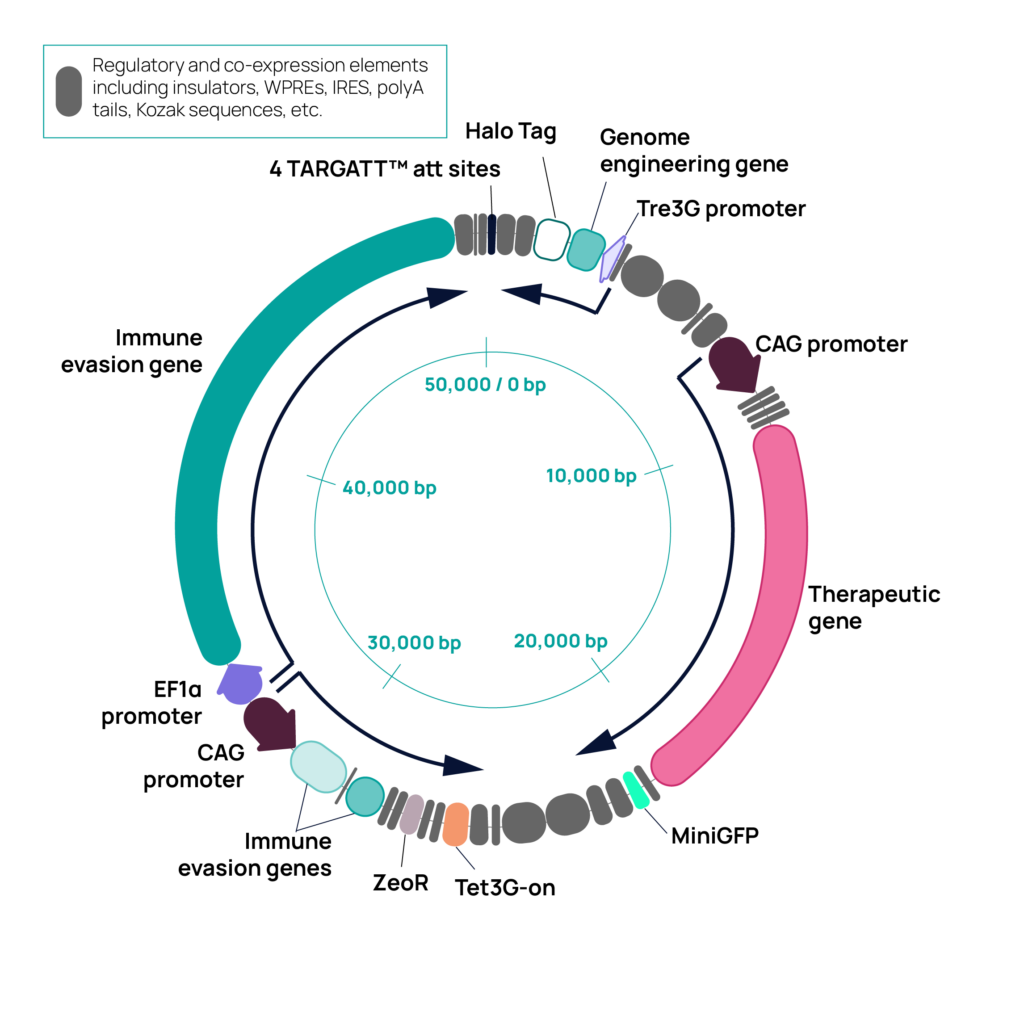
Combining our TARGATT™ large knock-in technology with extensive expertise in CRISPR/Cas9 and MAD7, ASC supports complex genome engineering programs that extend beyond the capabilities of conventional editing approaches.
Learn about our different genome engineering platforms and then ask our scientists to customize a project to achieve your goals. We’ll use our patented and proprietary technologies and processes to ensure quality, accuracy, and fast turnaround times.
Here are just a few of the ways we can customize a mammalian cell line for your needs. If you don’t see what you’re looking for, simply contact us, we’ll get it done!
Capabilities
Cell types
Applications
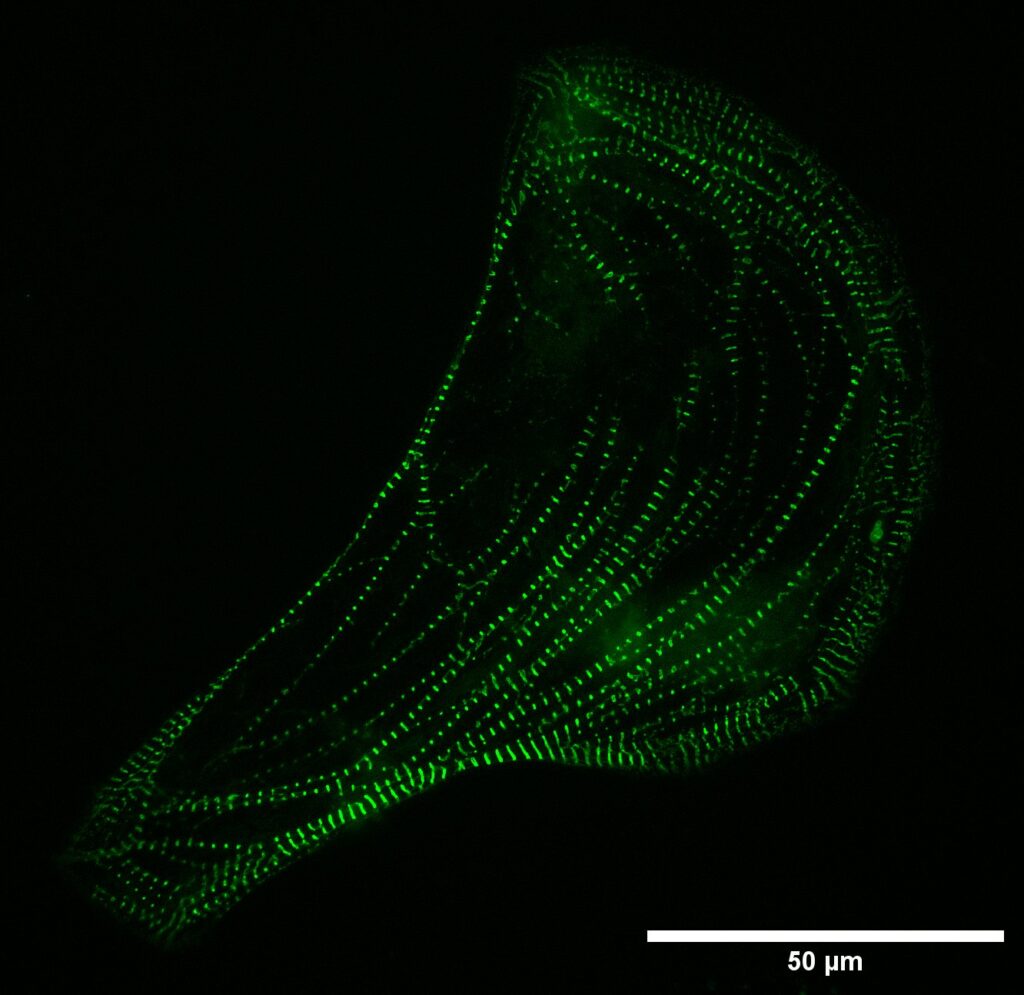
We used CRISPR/Cas9 to label titin, a sarcomere protein, with the NeonGreen protein in hiPSCs, and then differentiated the hiPSCs into cardiomyocytes.
Video courtesy of Karina Ivaskevica1, Judith Montag1,2, Theresia Kraft1, and Sarah Konze1
1. Molecular and Cell Physiology, Hannover Medical School, Hannover, Germany, 2. Human Medicine, Medical School Berlin, Berlin, Germany
With over 1,800 unique cell line models engineered by the scientists and technology developers at Applied StemCell, you can be confident in the quality and reliability of our service.
As quick as 6 – 8 weeks when you select one of the Applied StemCell control lines or master cell lines, or 2 – 3 months if you send us your cell line
Choose homozygous mutations, heterozygous mutations, footprint-free genome editing (ideal for GMP applications), or other customizations
Over 98% projects completed to our customers' specifications
All projects completed at our facilities in California (cell-based projects) and Oklahoma (animal projects)
Your dedicated business development manager will walk through your project requirements and goals with you, arranging a web call with our technical team, if needed.
Work with our technical team on the cell line engineering strategy, timelines, and milestones. We customize each project for your needs and do as much, or as little, of the plasmid, gRNA, or other reagent generation you need. We can also customize cell line characterization using a full range of technologies.
Send in any materials you are supplying for the project, and we'll get to work.
We'll begin your project and provide updates as agreed on. We pride ourselves on transparency, integrity, and will clearly communicate the status of your project.
In as little as 6-8 weeks, if you choose one of our in-house cell lines, we'll be ready to send you your engineered cells.
A.
B.
C.
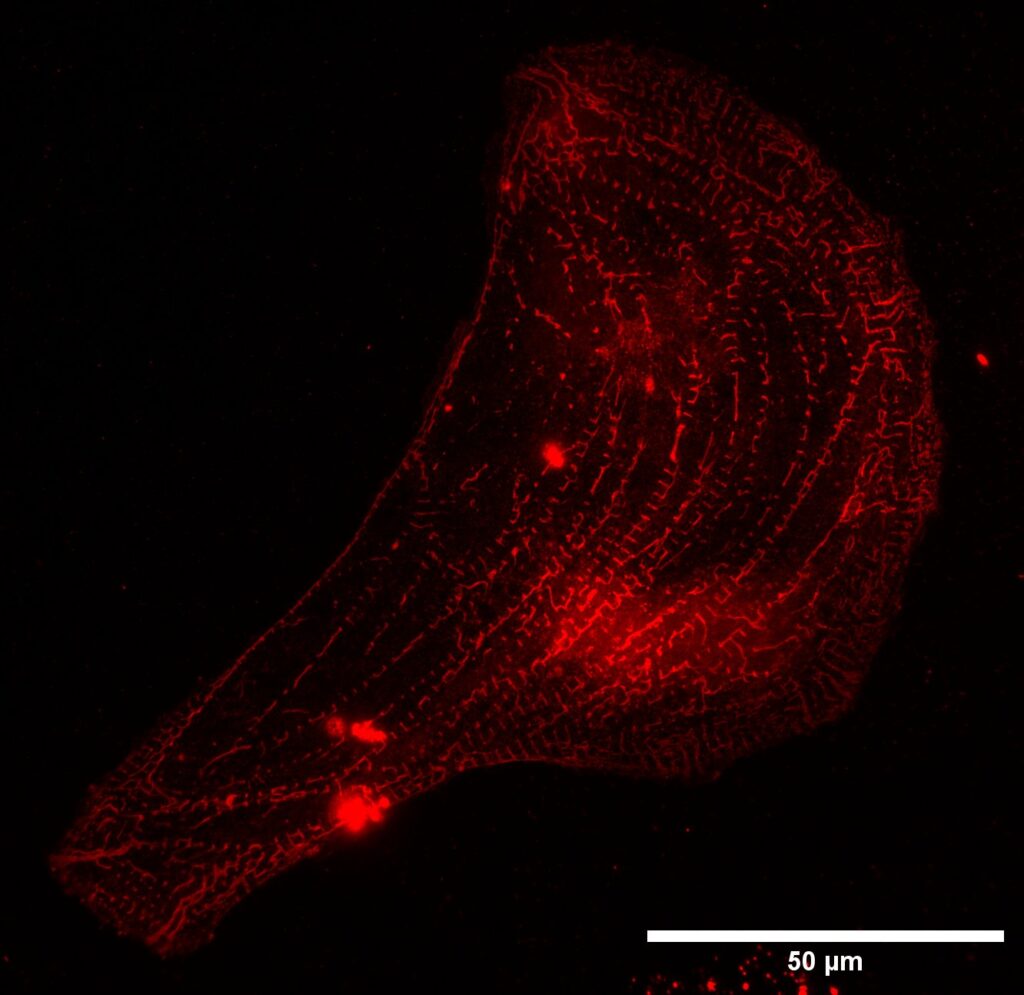
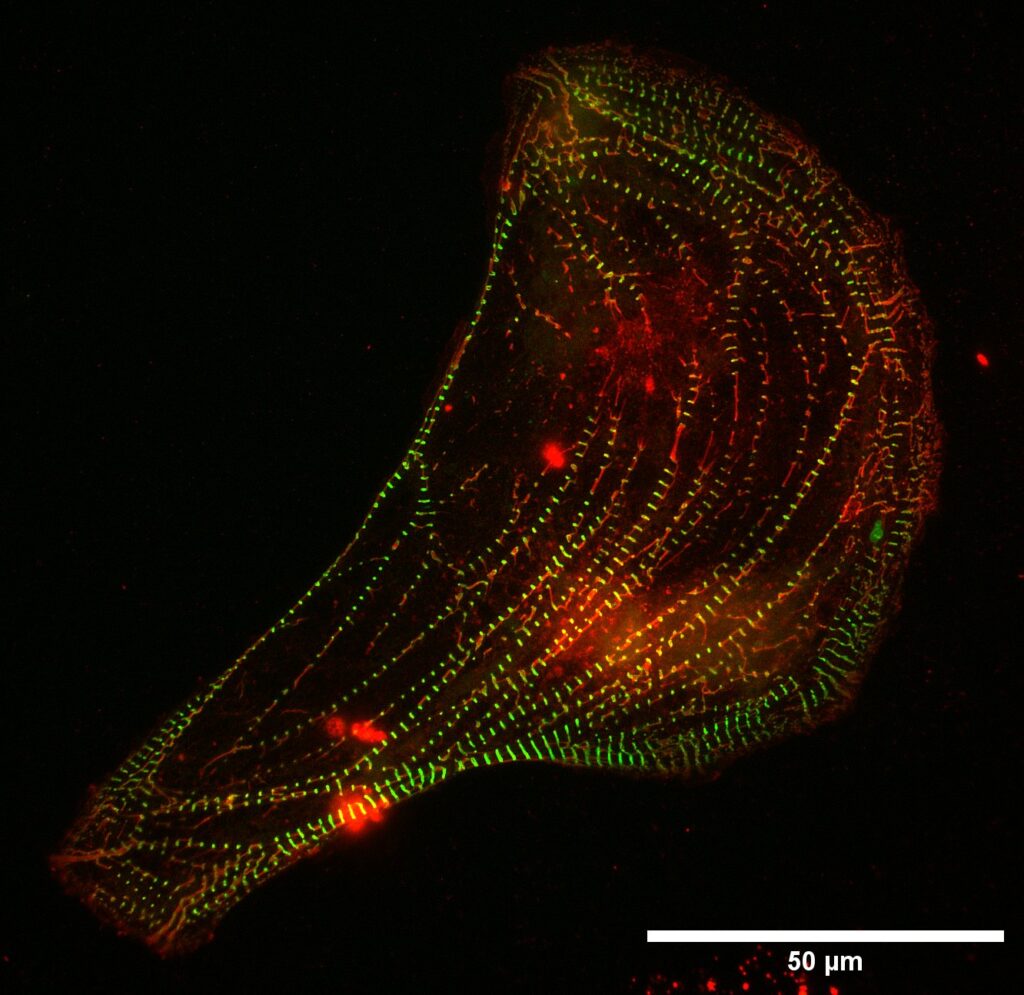
Immunofluorescence microscopy at day 30 after differentiation shows well-defined sarcomeres as indicated by the striation pattern of A) labeled titin protein, B) α-actinin stained with anti-sarcomeric α-actinin antibody, and C) the merge of A and B.
Images courtesy of Karina Ivaskevica1, Judith Montag1,2, Theresia Kraft1, and Sarah Konze1
1. Molecular and Cell Physiology, Hannover Medical School, Hannover, Germany
2. Human Medicine, Medical School Berlin, Berlin, Germany
Vanderhaeghe S, Prerad J, Tharkeshwar AK, et al. A pathogenic mutation in the ALS/FTD gene VCP induces mitochondrial hypermetabolism by modulating the permeability transition pore. Acta Neuropathol Commun. 2024;12(1):161. doi:10.1186/s40478-024-01866-0
Boon N, Lu X, Andriessen CA, et al. Characterization and AAV-mediated CRB gene augmentation in human-derived CRB1KO and CRB1KOCRB2+/− retinal organoids. Mol Ther Methods Clin Dev. 2023;31. doi:10.1016/j.omtm.2023.101128
Bandara G, Falduto GH, Luker A, et al. CRISPR/Cas9-engineering of HMC-1.2 cells renders a human mast cell line with a single D816V-KIT mutation: An improved preclinical model for research on mastocytosis. Front Immunol. 2023;14. doi:10.3389/fimmu.2023.1078958
Laverde-Paz MJ, Nuytemans K, Wang L, et al. Derivation of stem cell line UMi028-A-2 containing a CRISPR/Cas9 induced Alzheimer’s disease risk variant p.S1038C in the TTC3 gene. Stem Cell Res. 2021;52:102258. doi:10.1016/j.scr.2021.102258
Wood AR, Foliaki ST, Groveman BR, et al. Hereditary E200K mutation within the prion protein gene alters human iPSC derived cardiomyocyte function. Sci Rep. 2022;12(1):15788. doi:10.1038/s41598-022-19631-5
Simkin D, Papakis V, Bustos BI, et al. Homozygous might be hemizygous: CRISPR/Cas9 editing in iPSCs results in detrimental on-target defects that escape standard quality controls. Stem Cell Rep. 2022;17(4):993-1008. doi:10.1016/j.stemcr.2022.02.008
Clark A, Villarreal MR, Huang SB, et al. Targeting S6K/NFκB/SQSTM1/Polθ signaling to suppress radiation resistance in prostate cancer. Cancer Lett. 2024;597:217063. doi:10.1016/j.canlet.2024.217063
Find out how our custom cell line engineering services can enable your projects by submitting the form below. We will get back to you within one business day.